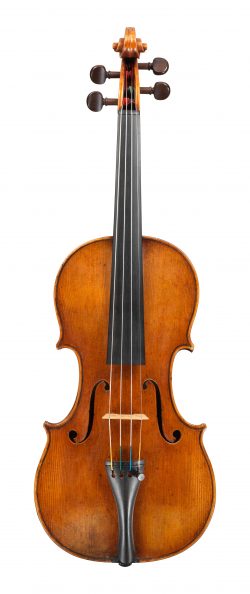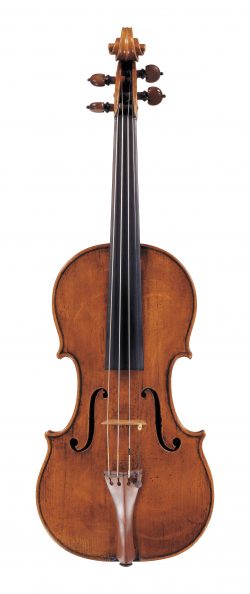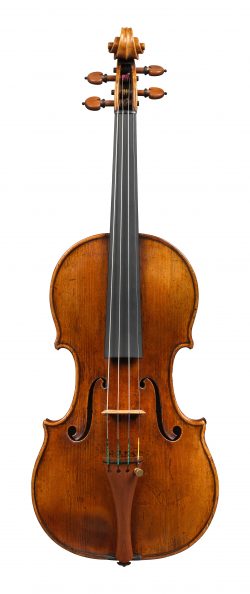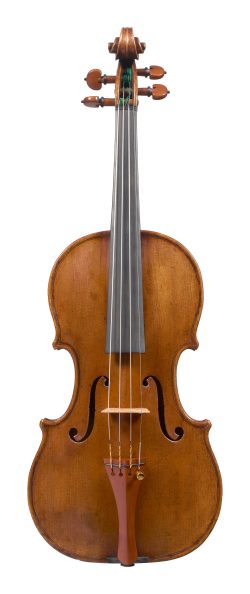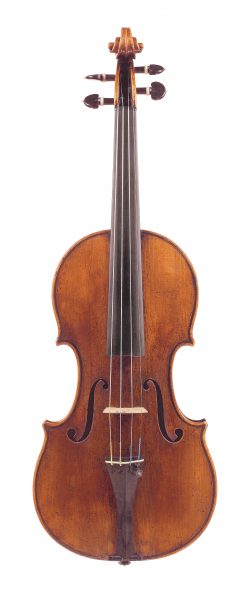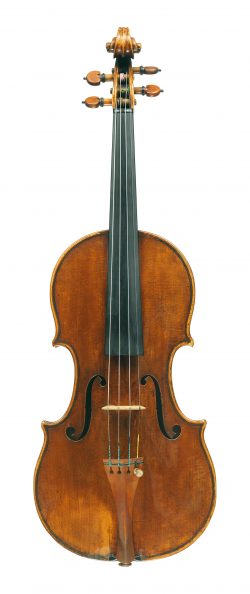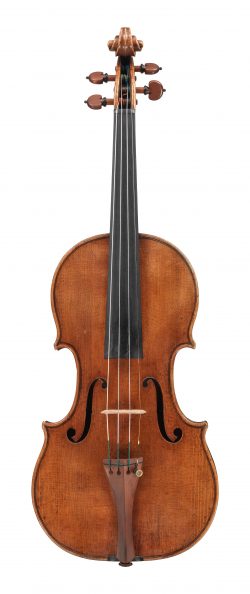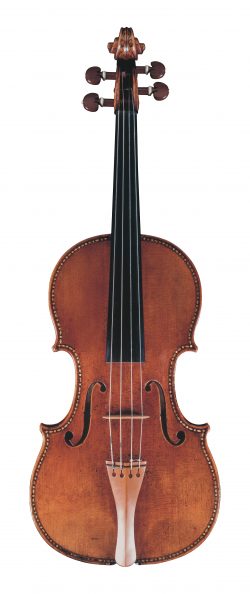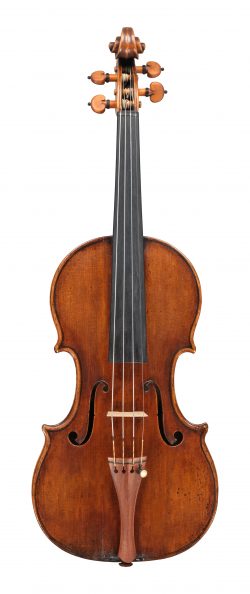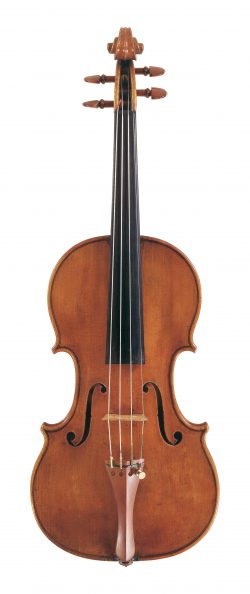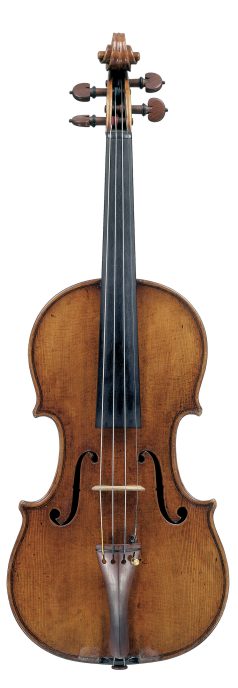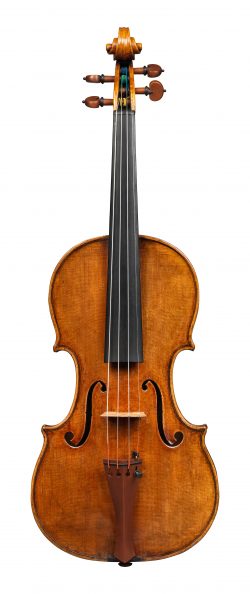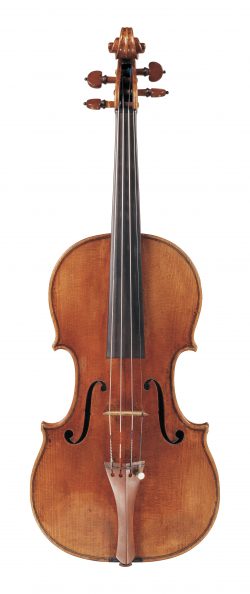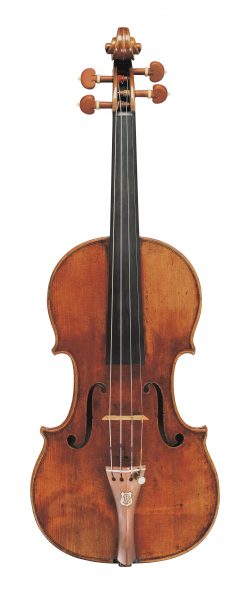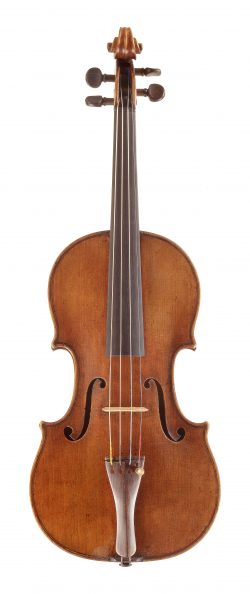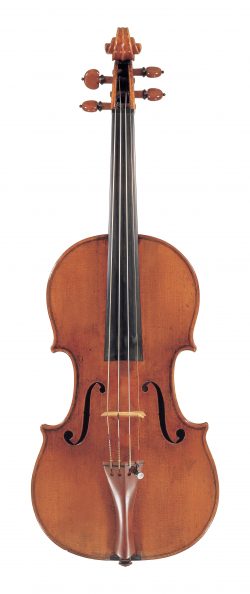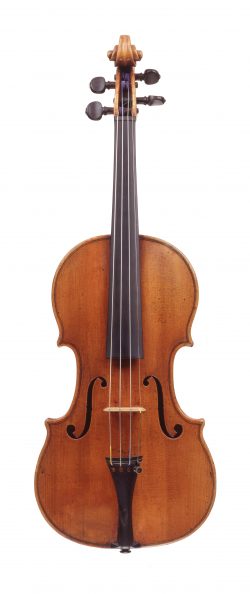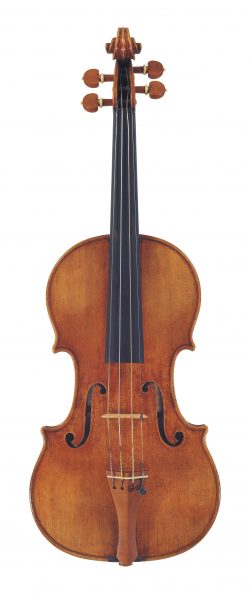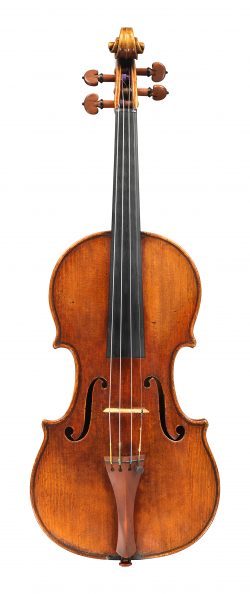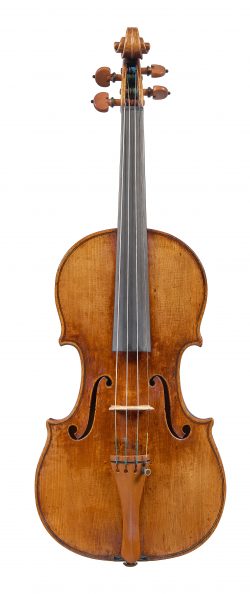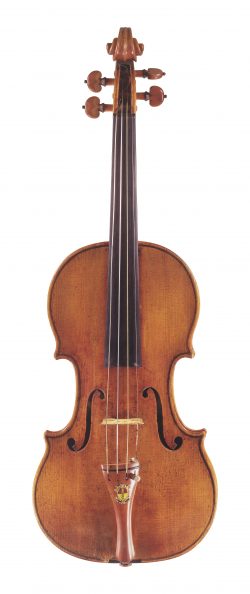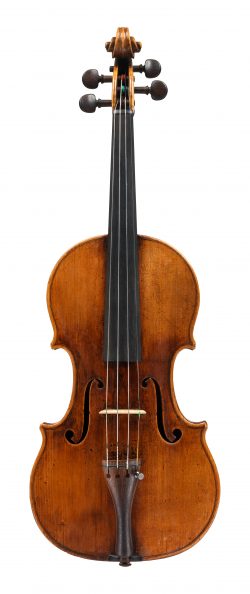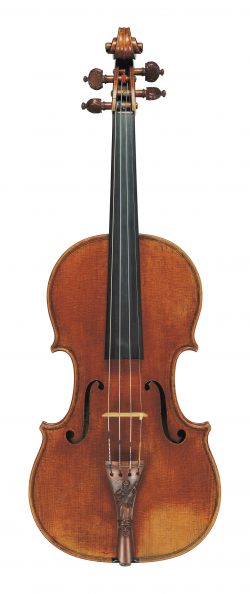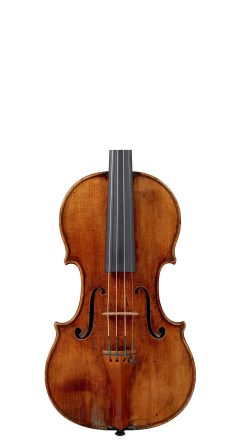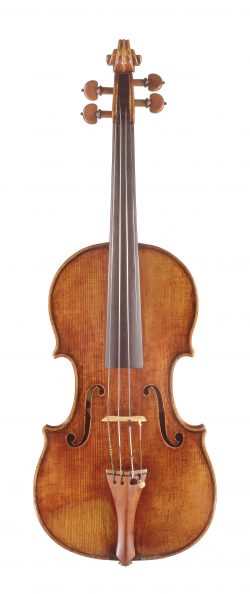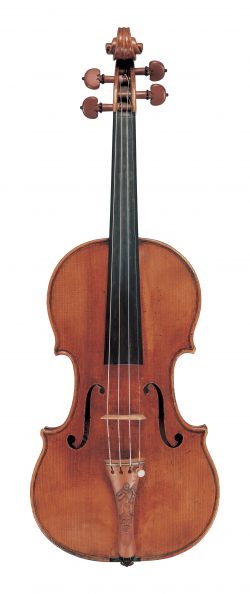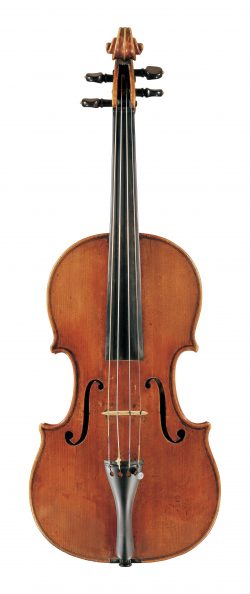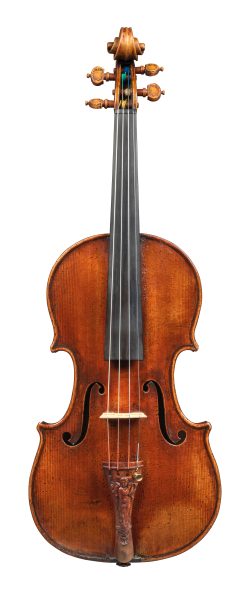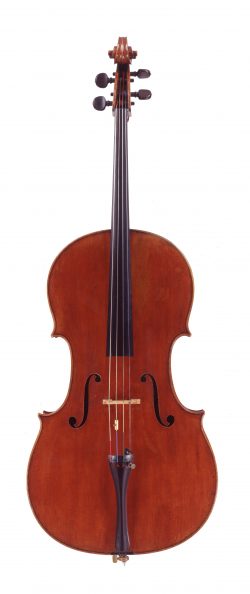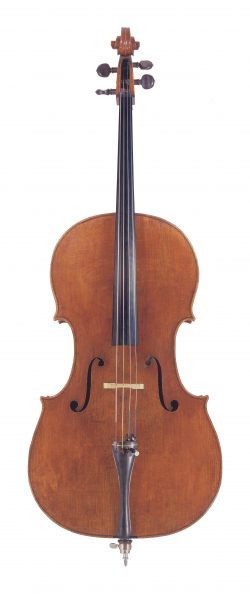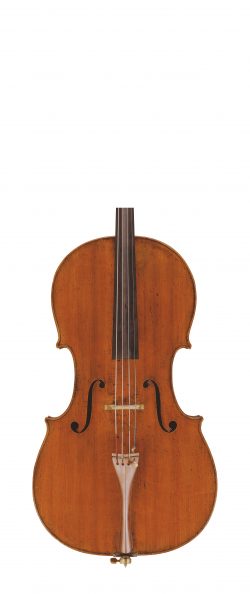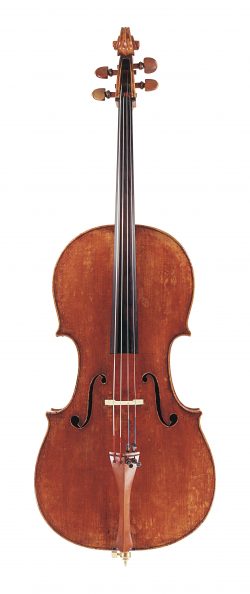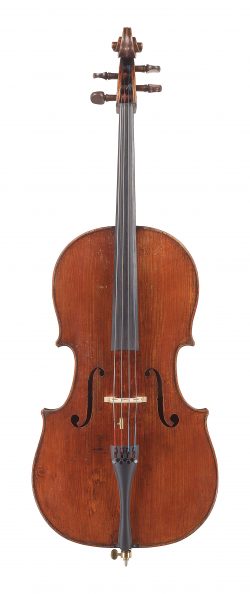
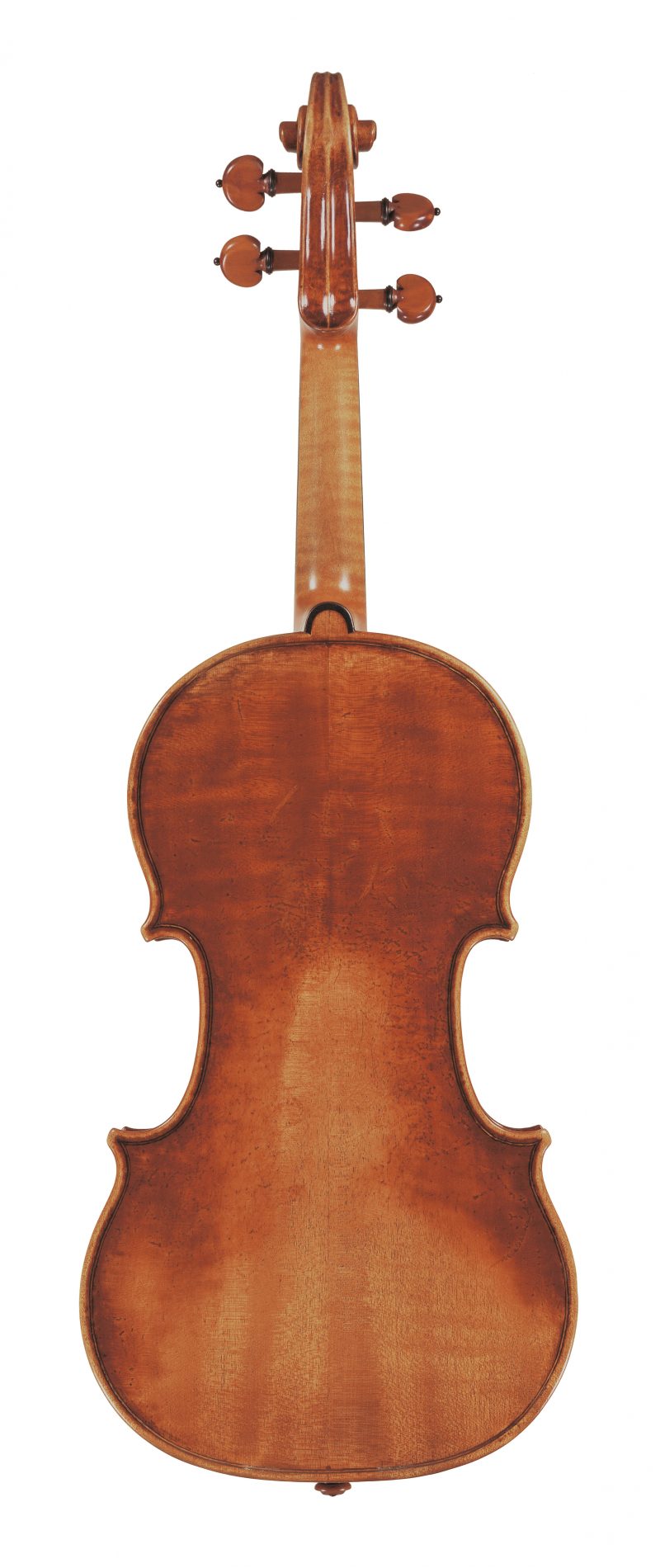
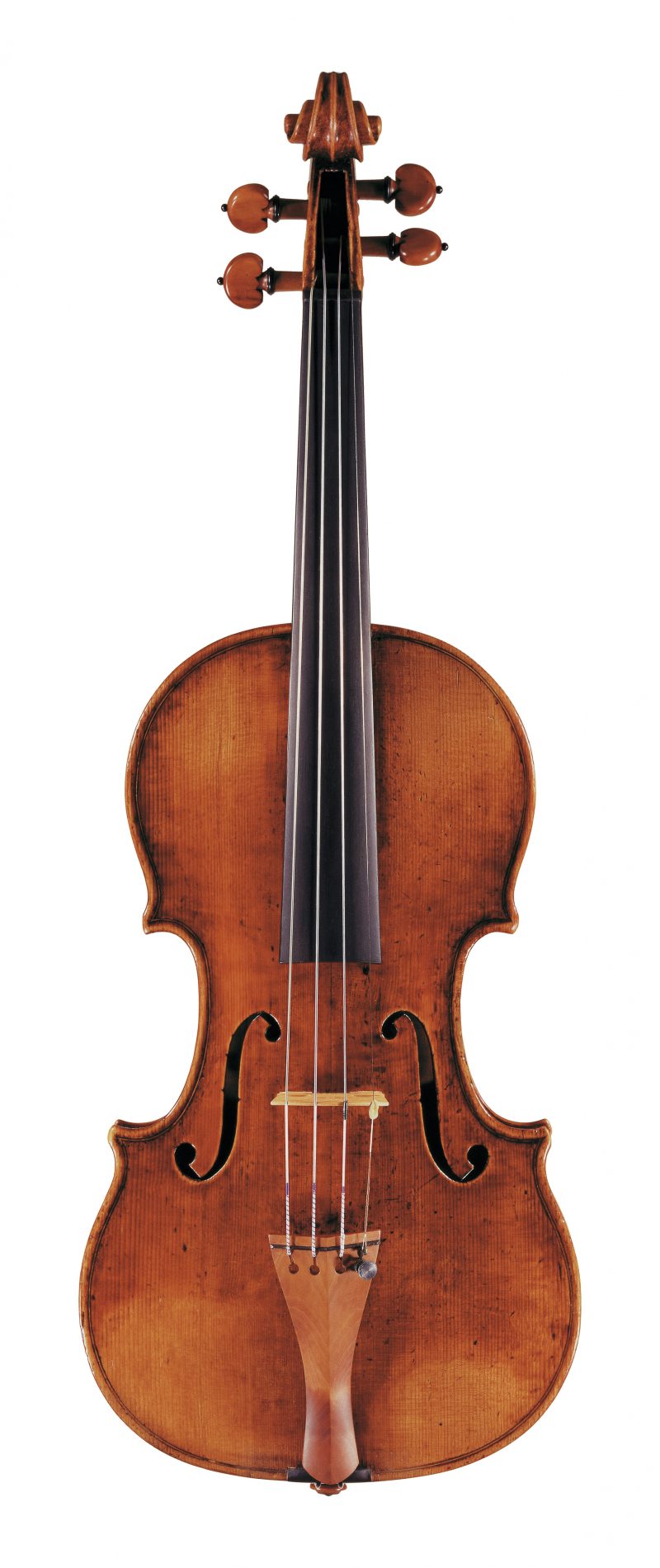
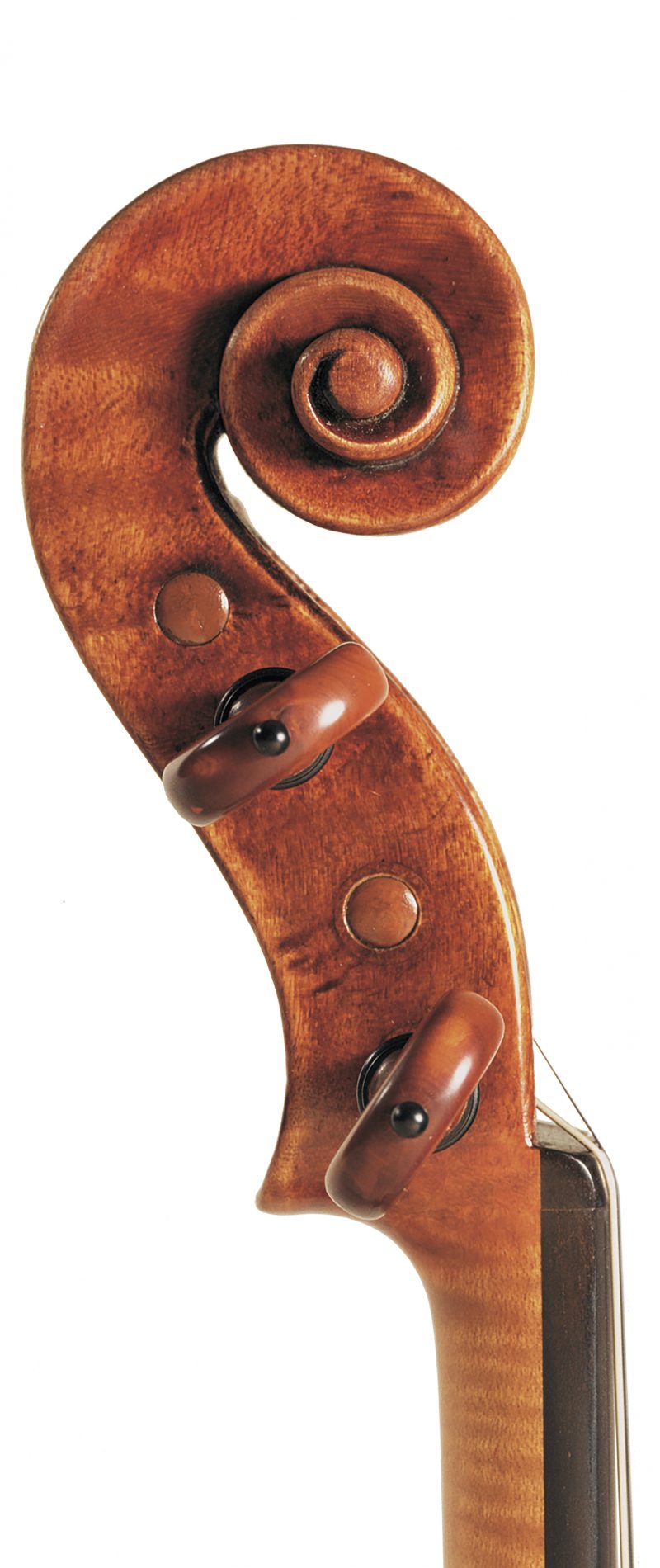
Notable Sales: Antonio Stradivari | Violin, 1732
0%
Red Diamond
Cremona, 1732
labelled Antonius Stradivarius Cremonensis faciebat Anno 1732
length of back 35.5cm.
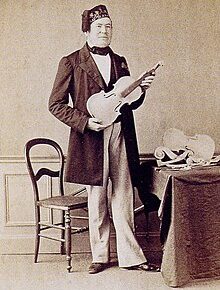
The 1732 ‘Red Diamond’ was owned by Luigi Tarisio, a trained carpenter, self taught violinist, and travelling furniture salesman. As he travelled he is said to have encountered many old violins and developed an eye for quality. Over many years he began to form a collection and owned the 1716 ‘Messiah’ Strad. By 1837, Tarisio had amassed enough of a collection that he travelled on foot from his home in Milan to Paris with 6 instruments to have a more official valuation from the dealer Jean-François Aldric. After Tarisio’s death in 1854, much of his collection, including this violin, was bought by Jean-Baptiste Vuillaume. Vuillaume owned the ‘Red Diamond’, which had not yet been given his name, until 1860, when he sold it to Henri Herwyn, from whom it was bought by George Haddock, an English violinist and professor of music in Leeds. Haddock is known for his friendship with the Belgian composer and violinist Henri Vieuxtemps.
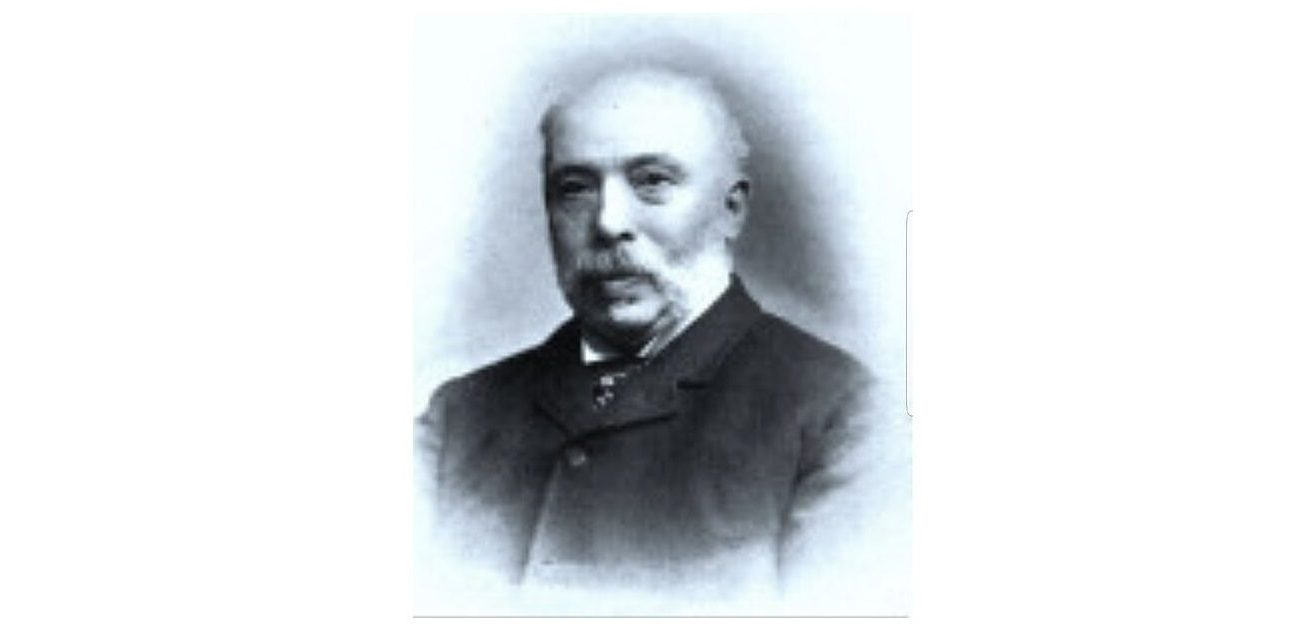
Haddock sold the violin in 1890 to George Hart, a luthier whose father, also called George, had been an important 19th century violin dealer in London. Hart dubbed the violin the ‘Red Diamond’ due to the unusual ruby-red hue of the varnish Stradivari used and the name stuck. Hart sold the ‘Red Diamond’ to Francis Jay Underhill, an amateur musician and bond broker known for his significant contributions towards building the Panama Canal, in 1908.
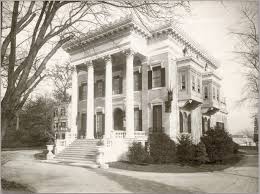
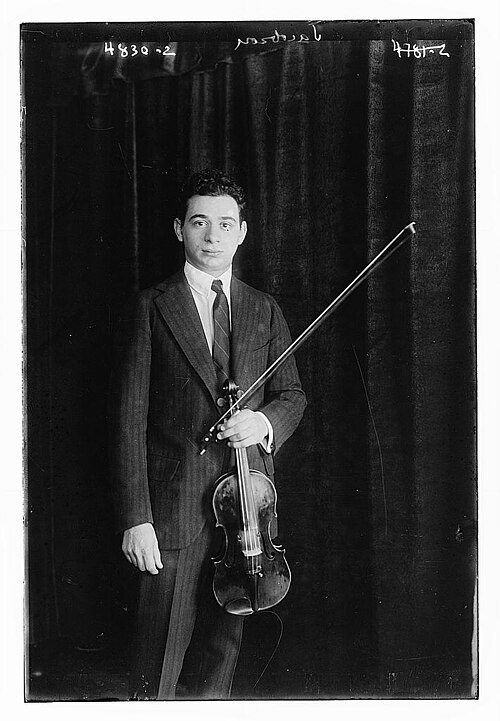
After Francis’ death in 1938 the ‘Red Diamond’ was left to the Boston Museum of Fine Arts, who sold it to Mrs Alice Garrett in an agreement which saw it lent to the concertmaster of the Los Angeles Philharmonic Orchestra, Sascha Jacobsen. Mrs Garrett was married to John W. Garrett, an American diplomat, and, as a result, lived in Europe for much of her life. While there she amassed an extensive collection of art, including works by Pablo Picasso, Raoul Dufy, and Amedeo Modigliani. Her collection was left to the Evergreen House Foundation, Baltimore, MD, after her death.
On January 16th, 1953, Jacobson, to whom the ‘Red Diamond’ was on loan, was caught in a rainstorm with the violin, which was washed out to sea as Jacobson struggled to stay afloat in the flash flood. Frederick Sturdy, attorney-at-law and coincidental friend of the director of the LA Philharmonic, found the violin case containing the pieces of the ‘Red Diamond’ on the beach the next day. Upon hearing of Jacobson’s ordeal, he contacted the orchestra and the washed-up, broken violin was identified as the lost Strad. The pieces were given to Hans Weisshaar, one of the most highly-regarded American restorers of the 20th century. He worked on the ‘Red Diamond’ for nine months, restoring it, according to Jacobson, “to its former glory…both in tone and appearance”, thereby cementing his reputation in the USA.
Just before Jacobson’s death, the ‘Red Diamond’ was sold by Sotheby’s in their December 1971 auction for $67,600, significantly more that it had been insured for at the time of the flood. It was bought by W. E. Hill & Sons for Robin Loh, an Indonesian industrialist and shipping magnate who had bought both the ‘Lady Blunt’ and the ‘ex-Wilhemj’ Strads that same year. Loh sold the violin privately with Sotheby’s in 1985 to Machold Rare Violins, from whom it was bought by an anonymous buyer in 1991. In 1999 the ‘Red Diamond’ was bought by Salim B. Lewis, a Wall Street trader known for being accused of stock market manipulation in 1989 and his subsequent presidential pardon from George W. Bush on January 20th 2001. The violin’s current owner bought it anonymously in 2013.
We offer buyers and sellers a bespoke private sale service, sourcing exceptional instruments and bows and matching them with the most discerning buyers.
More InformationTim Ingles and Paul Hayday will offer an initial evaluation of the authenticity and value of your instrument or bow to recommend an auction estimate and reserve price.
Enquire
Tim Ingles and Paul Hayday will offer an initial evaluation of the authenticity and value of your instrument or bow. At this stage, the assessment is free and without obligation. In the first instance, we suggest submitting good-quality images to us, preferably by email to info@ingleshayday.com or by completing the valuation form.
Read more